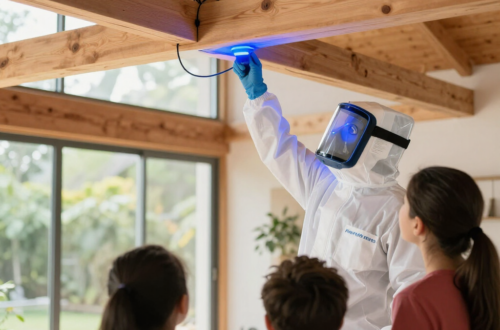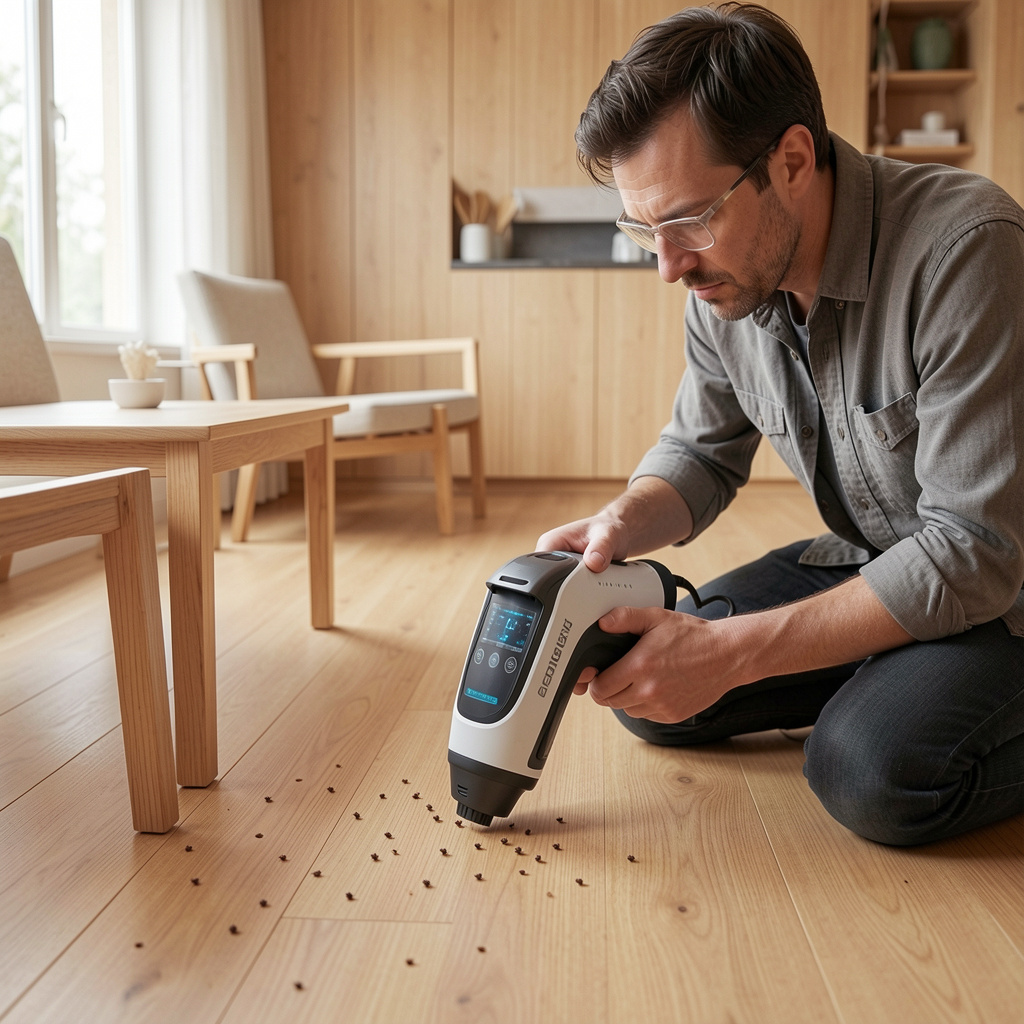
As homeowners search for safer and more effective ways to protect wooden structures from pests, microwave technology for home wood treatment has become increasingly popular. Many people are interested in this modern approach because it offers a chemical-free way to target hidden woodworm, termites, and other wood-boring insects inside timber.
However, one common question homeowners ask is: How safe is microwave technology for homes?
The good news is that professional microwave wood treatment is generally considered safe when performed correctly by trained specialists. Modern systems are designed to target pests inside timber while carefully controlling heat levels to protect surrounding structures.
Unlike traditional chemical treatments, microwave technology often reduces concerns about strong odors, chemical residue, and indoor exposure, making it attractive for families, pet owners, and homeowners looking for eco-friendly options.
Many homeowners researching timber care through shashel.eu/ are increasingly interested in microwave technology because it combines effective wood protection with a safer indoor environment.
In this guide, we will explain how safe microwave technology is for homes, how it works, and what homeowners should know before choosing this treatment.
What Is Microwave Wood Treatment?
Microwave wood treatment is a modern method used to eliminate hidden timber pests.
How It Works
Microwave energy heats moisture inside:
- Wood
- Insect bodies
This heat destroys:
- Eggs
- Larvae
- Adult pests
Unlike surface sprays:
Microwave treatment works inside the wood
This makes it useful for hidden infestation.
Is Microwave Technology Safe for Homes?
In general:
Yes, microwave technology is considered safe when professionally applied
Why It Is Considered Safe
Professional systems are designed to:
- Target specific areas
- Control heat carefully
This helps reduce unnecessary impact on surrounding structures.
Professional handling matters.
Reduced Chemical Exposure
One of the biggest reasons homeowners choose microwave treatment is reduced chemical use.
Why This Matters
Traditional wood treatment sometimes involves:
- Strong chemicals
- Lingering odors
Microwave Advantage
Microwave treatment often:
- Produces no toxic residue
This creates a more comfortable indoor environment.
Many homeowners exploring timber care through shashel.eu appreciate microwave technology because it helps reduce chemical exposure while protecting wooden structures.
Safe for Families When Professionally Managed
Homeowners often worry about family safety.
Why Professional Treatment Matters
Trained specialists carefully manage:
- Heat levels
- Treatment areas
Benefits for Households
Many families prefer microwave treatment because it may reduce concerns about:
- Indoor chemical contact
Comfort and peace of mind matter.
Safe for Pets
Pet owners often want gentler treatment options.
Why Pets Matter
Animals frequently:
- Walk near treated areas
- Spend time around flooring and furniture
Microwave Treatment Benefits
Because it reduces heavy chemical use:
It is often considered a more pet-friendly option
Professional guidance improves safety.
Does Microwave Treatment Damage Wood?
This is a common concern.
The Good News
Professional microwave systems carefully control temperatures.
Why Temperature Control Matters
Proper treatment helps eliminate pests while protecting:
- Structural timber
- Furniture
Experienced professionals improve outcomes.
Correct application matters.
Does Microwave Technology Affect Home Electronics?
Modern treatment is carefully managed.
Why This Matters
Professionals assess:
- Treatment areas
Safe Practice
Equipment is typically designed for:
- Controlled wood treatment
Following professional recommendations improves safety.
Is Microwave Treatment Safe for Structural Timber?
Yes — it is commonly used for structural wood.
Common Structural Areas Include
- Roof beams
- Floor supports
- Ceiling joists
Why Homeowners Choose It
Microwave treatment may help eliminate hidden infestation while preserving:
- Existing timber
Protecting structural wood improves home safety.
Helps Reduce Hidden Pest Damage
Untreated wood pests may weaken homes.
Microwave Technology Targets
- Woodworm
- Hidden larvae
- Beetles
Why This Matters
Early treatment helps reduce:
- Structural weakening
Protecting wood protects the home.
Safe Alternative to Harsh Chemicals
Many homeowners now prefer low-toxicity solutions.
Why This Trend Is Growing
People increasingly want:
- Healthier indoor environments
Microwave Technology Supports
- Chemical-free pest treatment
Eco-friendly solutions continue gaining popularity.
When Microwave Treatment Works Best
Microwave treatment is especially useful for:
Hidden Woodworm Infestation
Deep internal activity.
Structural Timber Protection
Roof beams and supports.
Valuable Furniture
Protecting delicate timber.
Family-Friendly Preferences
Reduced chemical exposure.
Professional assessment improves results.
Common Misconceptions About Microwave Technology
Myth 1: Microwave Treatment Is Dangerous Indoors
Professional systems are designed for safe application.
Myth 2: It Burns or Damages Wood
Controlled temperatures help protect timber.
Myth 3: Chemicals Are Always Safer
Many homeowners prefer lower-chemical solutions.
Understanding treatment improves confidence.
Important Safety Tips for Homeowners
Always Use Professionals
Experienced specialists improve safety.
Ask Questions Before Treatment
Understand:
- Process
- Timeline
Fix Moisture Problems Too
Moisture encourages future infestation.
Inspect Timber Regularly
Prevention improves long-term results.
Balanced care matters.
Long-Term Benefits of Microwave Treatment
Choosing microwave technology offers several advantages.
Benefits Include
- Reduced chemical exposure
- Deep pest removal
- Better indoor comfort
- Timber preservation
- Lower reinfestation risk
Healthy timber protects the home.
Prevention saves money.
Conclusion
So, how safe is microwave technology for homes? When professionally applied, microwave wood treatment is generally considered a safe, controlled, and effective way to eliminate hidden timber pests while reducing chemical exposure.
Its ability to target pests deep inside wood without relying heavily on toxic chemicals makes it an increasingly popular option for homeowners, families, and pet owners.