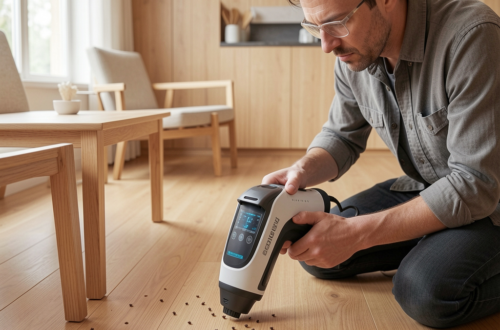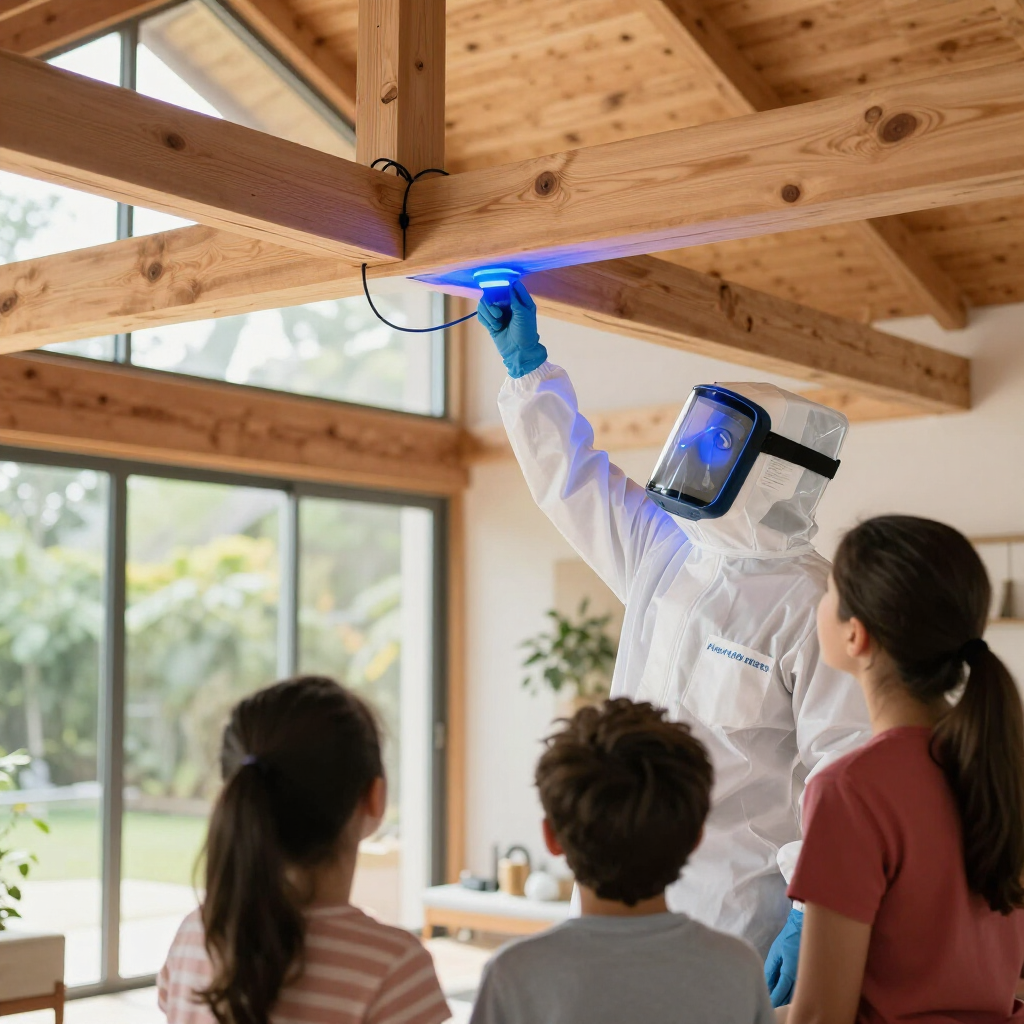
The pest control industry is undergoing a significant transformation. While traditional chemical treatments continue to play an important role in managing many pest problems, homeowners, businesses, and conservation professionals are increasingly looking for solutions that reduce chemical use without compromising effectiveness. Growing awareness of environmental sustainability, indoor air quality, and responsible property maintenance has accelerated the demand for non-toxic pest management.
Advances in technology are making this shift possible. Modern methods such as microwave woodworm treatment, Integrated Pest Management (IPM), smart monitoring systems, and precision heat treatments are helping professionals control pests using more targeted and environmentally responsible approaches. Rather than relying solely on pesticides, the future of pest management focuses on prevention, early detection, and innovative technologies that protect both buildings and the environment.
In this guide, we’ll explore the future of non-toxic pest management, the technologies driving change, and why sustainable pest control is becoming an increasingly popular choice for homeowners and businesses.
What Is Non-Toxic Pest Management?
Non-toxic pest management refers to strategies that minimize or eliminate the use of synthetic pesticides while effectively controlling pests.
Instead of depending entirely on chemical insecticides, these approaches combine:
- Preventive maintenance
- Heat-based technologies
- Moisture control
- Physical exclusion
- Routine inspections
- Smart monitoring
- Integrated Pest Management (IPM)
The goal is to manage pest problems while reducing unnecessary chemical exposure and environmental impact.
Why Demand Is Growing
Several factors are contributing to the popularity of non-toxic pest control.
Homeowners increasingly value:
- Sustainable living
- Eco-friendly home maintenance
- Reduced pesticide use
- Preservation of historic buildings
- Improved indoor environmental quality
- Long-term property protection
Businesses and public institutions are also adopting greener pest management practices as part of broader sustainability initiatives.
1. Microwave Woodworm Treatment
One of the most innovative developments in timber preservation is microwave woodworm treatment.
Professional microwave equipment generates controlled electromagnetic energy that produces heat inside timber through dielectric heating.
The treatment is designed to eliminate:
- Woodworm larvae
- Beetle eggs
- Pupae
- Adult wood-boring beetles
Benefits
- Chemical-free
- No pesticide residues
- Targeted treatment
- Environmentally responsible
- Suitable for many heritage buildings
- Preserves original timber where possible
As microwave technology continues to evolve, equipment is becoming more precise, portable, and efficient.
2. Smarter Pest Detection
Future pest management is likely to focus even more on early detection.
Emerging technologies include:
- Digital moisture sensors
- Wireless monitoring devices
- Thermal imaging
- AI-assisted inspections
- Remote environmental monitoring
Earlier detection allows infestations to be treated before major structural damage develops.
3. Integrated Pest Management (IPM)
Integrated Pest Management has become one of the most widely recommended sustainable pest control strategies.
IPM combines:
- Routine inspections
- Accurate pest identification
- Moisture management
- Building maintenance
- Physical prevention methods
- Targeted treatment only when necessary
Rather than reacting to infestations, IPM focuses on preventing them from occurring.
4. Heat-Based Treatment Technologies
Heat-based pest control continues to advance.
Unlike chemical treatments, heat technologies eliminate pests by raising temperatures to levels that insects cannot survive.
Applications include:
- Microwave woodworm treatment
- Whole-room heat treatment
- Localized thermal treatment
- Portable heating systems
These technologies reduce reliance on chemical pesticides for certain pest problems.
5. Sustainable Building Maintenance
Modern pest control increasingly recognizes that healthy buildings naturally resist infestations.
Future maintenance strategies will emphasize:
- Moisture control
- Improved ventilation
- Better drainage
- Durable building materials
- Routine inspections
Preventive care reduces the need for repeated treatments.
6. Precision Pest Control
Advances in equipment allow professionals to treat only the affected areas instead of applying products across entire properties.
Precision treatment offers several advantages:
- Less disruption
- Reduced chemical use
- Lower environmental impact
- Improved efficiency
- Better protection of surrounding materials
This targeted approach aligns with modern sustainability goals.
7. Increased Focus on Heritage Conservation
Historic buildings require careful treatment to preserve original timber and architectural features.
Future pest management is expected to place even greater emphasis on:
- Non-destructive treatment methods
- Preservation of historic materials
- Localized interventions
- Low-impact technologies
- Long-term conservation planning
Microwave treatment is already being considered in many situations where preserving original timber is a priority.
Non-Toxic Methods vs. Traditional Chemical Treatments
| Feature | Non-Toxic Pest Management | Traditional Chemical Treatments |
|---|---|---|
| Uses Synthetic Pesticides | Minimal or none | Yes |
| Leaves Chemical Residues | No | May, depending on the product |
| Focus on Prevention | Strong | Varies |
| Environmental Impact | Lower | Moderate |
| Suitable for Heritage Buildings | Often | Depends on the treatment |
Both approaches remain valuable, and the best solution depends on the pest species, property condition, and professional assessment.
Challenges Facing Non-Toxic Pest Management
Although non-toxic methods continue to improve, they are not suitable for every situation.
Factors that influence treatment selection include:
- Pest species
- Severity of infestation
- Accessibility
- Building construction
- Moisture levels
- Structural condition
Professional inspections remain essential for selecting the most effective treatment.
Common Myths About Non-Toxic Pest Control
Myth 1: Non-Toxic Means Less Effective
Fact: Modern technologies such as microwave woodworm treatment and Integrated Pest Management can be highly effective when used appropriately and professionally.
Myth 2: Chemicals Will Disappear Completely
Fact: Approved chemical treatments will likely continue to play an important role in certain situations. The future is more likely to involve a balanced combination of chemical and non-chemical methods.
Myth 3: Technology Alone Prevents Pest Problems
Fact: Long-term protection still depends on regular inspections, moisture control, ventilation, and proper building maintenance.
Practical Tips for Future-Proof Pest Prevention
Homeowners can prepare for the future by:
- Inspecting timber annually.
- Repairing roof leaks promptly.
- Improving ventilation.
- Keeping structural wood dry.
- Monitoring for early signs of infestation.
- Scheduling professional inspections.
- Choosing targeted treatment methods whenever appropriate.
Preventive maintenance remains the foundation of sustainable pest control.
When Should You Contact a Professional?
Professional advice is recommended if:
- Fresh frass continues appearing.
- New exit holes develop.
- Structural timber is affected.
- Moisture problems persist.
- You prefer environmentally responsible treatment options.
- You’re considering microwave woodworm treatment.
A qualified timber preservation specialist can inspect your property, identify the pest species, and recommend the most suitable treatment based on the condition of your timber and the latest pest management technologies.
Conclusion
The future of non-toxic pest management is being shaped by innovation, sustainability, and smarter building maintenance. Technologies such as microwave woodworm treatment, digital monitoring systems, precision heat applications, and Integrated Pest Management are giving homeowners more environmentally responsible ways to protect their properties while reducing reliance on chemical pesticides.
Although traditional chemical treatments remain important in many situations, the industry is increasingly moving toward targeted, preventive, and low-impact solutions. By combining modern technology with regular inspections, moisture control, and proactive maintenance, homeowners can protect their timber, preserve valuable building materials, and contribute to a more sustainable future for pest management.Visit online https://www.shashel.eu for more details .